Growler vs. Crowler vs. Bottle: Which Take-Home Format Keeps Beer Freshest?
Glass growlers, sealed crowlers and bottled beer each protect a pour differently. Here's how oxygen, light and headspace decide how long your take-home beer stays fresh.
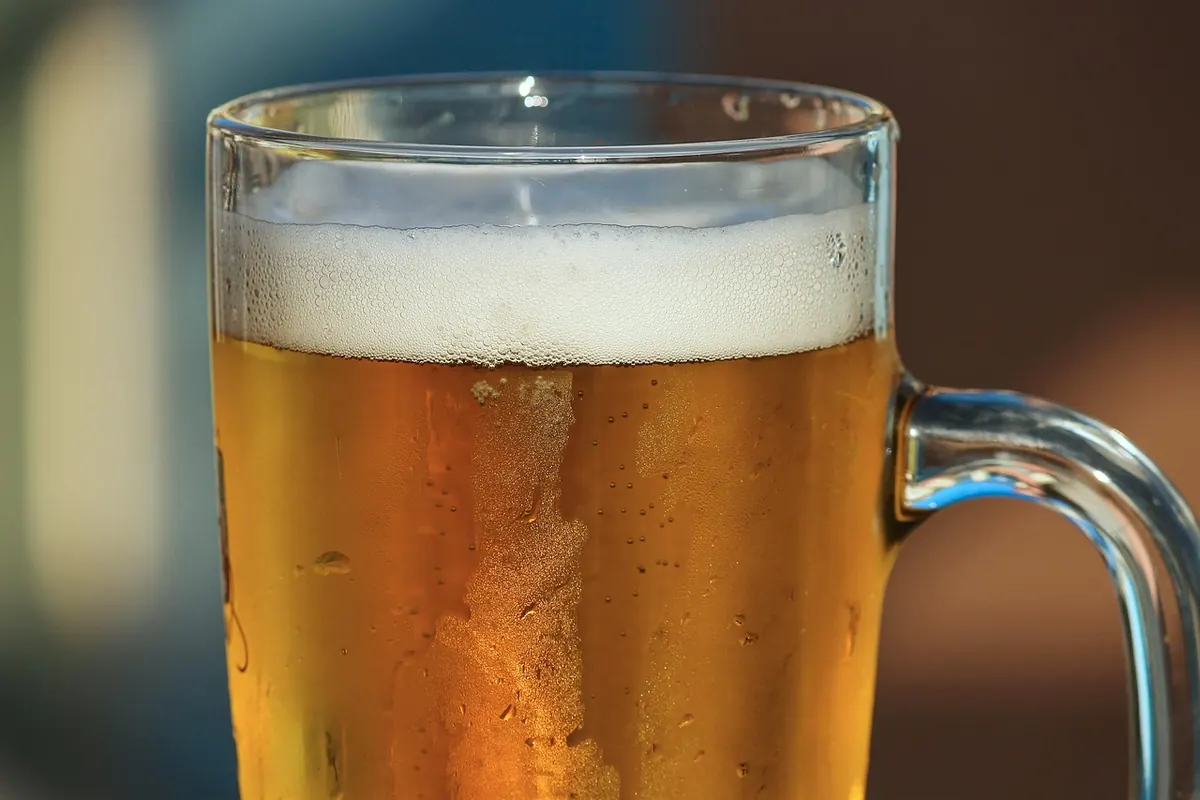
You fill a growler on Friday, crack it open after Saturday's yard work, and the IPA that tasted like grapefruit and pine at the bar now tastes like a wet paper bag. Meanwhile, a crowler filled from that same tap might hold together for a week, and a bottle off the brewery's packaging line can sit in your fridge for a month. Same beer, same cooler, three different outcomes — and the container is doing most of the deciding.
Take-home beer is a race against oxygen, light and heat. The format you choose sets how big a head start the beer gets.
What Actually Ruins Take-Home Beer
Before comparing containers, it helps to know what you're fighting. Four things shorten a beer's life, and every format handles them differently:
- Oxygen. The main culprit. It reacts with hop oils and malt compounds and produces the flat, cardboard, sherry-like notes brewers call staling. Hoppy styles — pilsners, IPAs, pale ales — show damage first and worst.
- Light. Ultraviolet and blue light break down hop compounds into a molecule that smells like skunk spray. Brown glass blocks most of it; green and clear glass block very little. Cans, crowlers and stainless steel block all of it.
- Heat. Warmth speeds up every chemical reaction, including the bad ones. A growler left in a hot car ages about as much in an afternoon as it would in a week in the fridge.
- Carbonation loss. A weak seal lets CO2 escape, and flat beer also tastes stale faster, because dissolved CO2 helps keep oxygen-driven flavors in check.
Headspace is the quiet factor. Every inch of air above the beer is oxygen waiting to dissolve into it, which is why a purged, professionally filled container outlasts one filled casually from a tap.
Growlers: Reusable, Cheap, and Thirsty for Oxygen
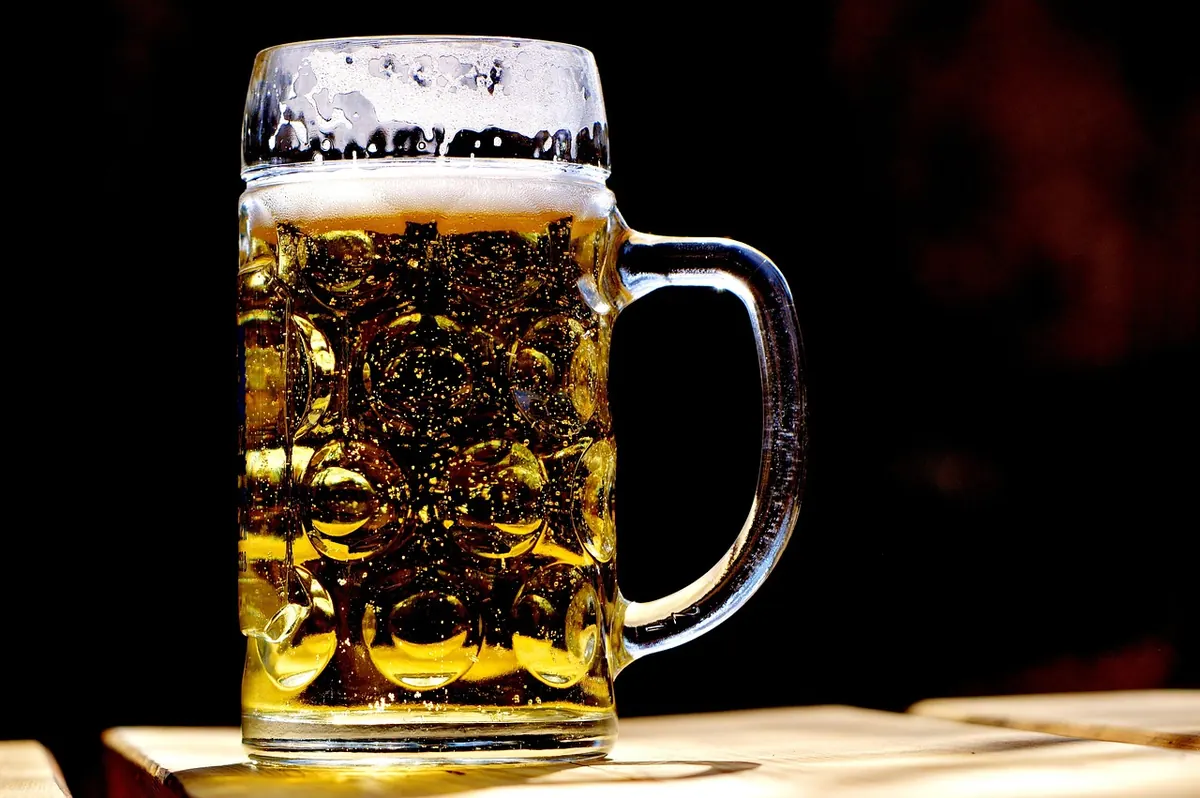
A growler is the original take-home format: 32 or 64 ounces of glass, sometimes stainless steel, filled straight from the tap. It's the cheapest way to move draft beer into your fridge, and a glass growler costs a few dollars and lasts years.
The problem is the seal. Screw caps and swing-tops don't close with the finality of a can seam, and the fill usually leaves headspace full of air. Most breweries fill through a tube that reaches the bottom to limit foaming, and better ones flush the vessel with CO2 first, but you're still working with a fairly open system.
Practical shelf life: for a hoppy beer, treat a growler as a 24-to-48-hour proposition. Malty styles, stouts and sours will hold three to five days if you keep them cold and resealed. Glass is also heavy, breakable and light-transparent, which matters more than people expect. A double-walled stainless growler fixes the light and temperature problems and travels better, at a higher upfront cost.
Crowlers: The Sealed Can Advantage
A crowler is a 32-ounce aluminum can, filled from the tap and seamed shut in front of you. That seam is the whole point: an aluminum can with a proper seal is a total barrier to oxygen and light.
Compared with a growler, a crowler usually buys you more time — a week or two for most styles, longer for stronger, maltier beers. For hop-forward beers, don't push it. Drink within a week or so, because oxygen isn't the only issue; hop aromatics fade on their own.
Two things to check. First, seam quality. A crowler that's leaking, or whose lid has domed upward, has already lost carbonation — drink it that day or take it back. Second, temperature: crowlers are usually filled from a cold keg and stay fresher if they stay cold. A crowler is recyclable and portable, but not reusable, and it usually costs a dollar or two more per fill.
Bottles: The Slowest to Fade
Bottles get a bad reputation from the growler-adjacent versions — a bomber filled from a tap with a tube, capped by hand, handed over warm. That's not the same thing as beer off a packaging line.
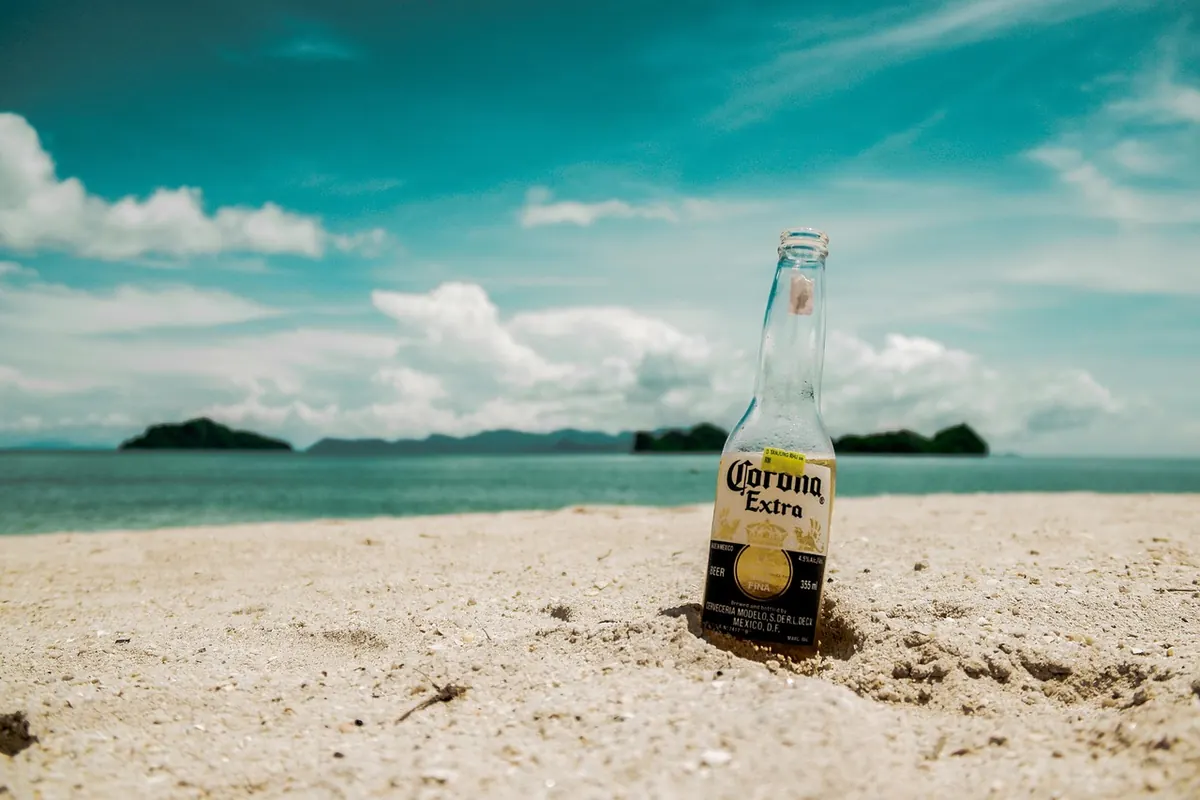
Commercially filled bottles are usually purged of air and counter-pressure filled, so the beer goes in with almost no oxygen contact. Bottle-conditioned beers go further: live yeast consumes residual oxygen and produces a little more CO2 in the process, which is why a properly stored bottle can improve for months. Brown glass and a crown cap are a solid combination.
Once you pop the cap, though, a bottle behaves like any open container — just exposed beer, and a 750ml bottle is a lot to finish before it goes flat. Bottles remain the best format for travel, gifting and building a small cellar of strong, dark beers.
The Four Things That Actually Matter
- Oxygen exposure: sealed can (best) → purged, line-filled bottle → crowler → glass growler (worst).
- Light protection: aluminum and stainless block everything; brown glass blocks most; green and clear glass block almost nothing.
- Portability: bottles and crowlers are light and packable; glass growlers are heavy and fragile; stainless growlers split the difference.
- Cost per ounce: a glass growler refill is cheapest and gets cheaper with every reuse. Crowlers add a can and a seam. Bottles are priced by the brewery and often carry the highest markup, though you're paying for tighter packaging.
How to Get More Days Out of Any Container
- Ask for a purge and a full fill. A brewery that flushes the vessel with CO2 and fills until foam reaches the rim is giving you real shelf life.
- Keep it cold from the first minute. Straight from the taproom cooler to your fridge, no detours.
- Pour into a glass. Drinking from the container introduces microbes and saliva, and you can't reseal it cleanly afterward.
- Recap tightly and don't let it sit half full. If you can't finish a large format, decant what's left into a smaller bottle filled to the brim.
- Drink in order of fragility. Hoppy and delicate beers first; stouts, barleywines and sours later.
- Clean growlers properly. Hot water and a bottle brush, then air-dry upside down. Skip scented dish soap, which leaves residue that kills head retention.
Picking the Right Format
For a beer you'll drink tonight or tomorrow, a glass growler is the best deal going. If the beer has to survive a weekend, a road trip or a few days in the fridge, buy a crowler — the sealed can is worth the extra dollar. If you want something to hold for weeks, or you're buying a gift, look for bottles from the brewery's own packaging run, and choose styles that age well rather than a hop bomb.
And if you're unsure how long a fill will last, ask the person filling it. They know how the keg is carbonated, whether they purged the container, and how the crowler seamer has been behaving. That answer beats any general rule of thumb.
Photo: manfredrichter / Pixabay