How to Store Craft Beer: A Checklist for Freshness, Temperature, and Light
Keep hop aroma intact and skunking at bay with simple rules for temperature, light, and bottle position — plus a checklist for cellaring beer at home.
You buy a fresh, hazy IPA on a Saturday, tuck it into the back seat, stop for groceries, and open it a week later. Something is missing. The aroma that jumped out of the can at the brewery has gone quiet, replaced by a flat, papery sweetness or a whiff of something closer to a skunked lager than a Citra bomb. Nothing was wrong with the beer. Something was wrong with the way it was stored.
Beer is perishable. It is a perishable agricultural product that happens to be delicious, and it responds to three things more than anything else: oxygen, heat, and light. Get those under control and you will drink noticeably better beer without buying anything new. Here is how.
Why Beer Fades: The Three Enemies
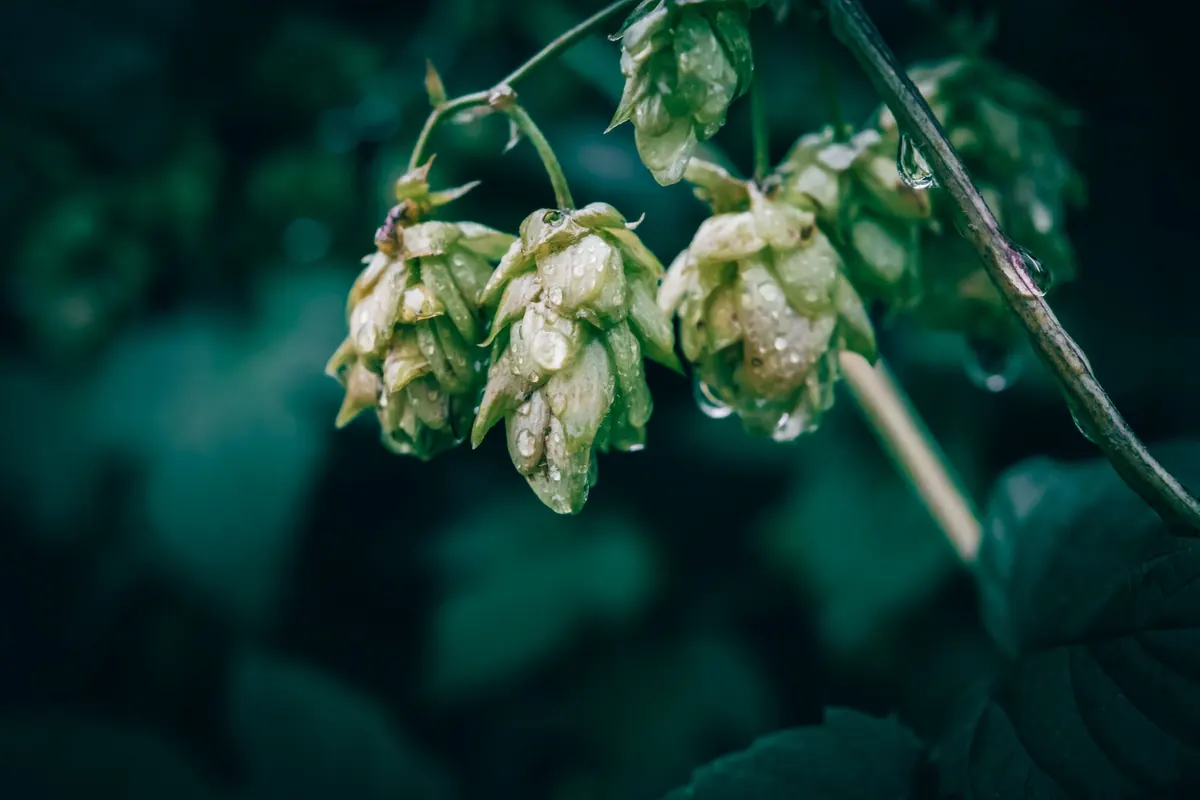
Hop aroma compounds are volatile and fragile. They oxidize, and oxidation tastes like wet cardboard, sherry, or honey that has been sitting out too long. Heat accelerates every chemical reaction in the bottle, so a beer kept at 80°F ages several times faster than the same beer at 50°F. Light does its own specific damage, and it does it fast.
Time is the fourth factor, and the only one you cannot defeat. You can only slow it down and choose which beers deserve the wait.
Temperature: Cold, Stable, and Consistent
For most beer you plan to drink within a few months, the refrigerator is the right answer. Standard fridge temperatures around 38–40°F will hold hop character far longer than a cupboard. Cold does not "kill" flavor; it just mutes it slightly, and beer warms up in the glass within minutes anyway.
For beer you intend to age, you want a cellar range of roughly 50–55°F (10–13°C). A cool basement corner, a dedicated wine fridge, or the coolest interior closet in the house works better than you might expect. What matters most is steadiness. A beer that swings from 45°F to 70°F every week ages unevenly and unpredictably, and that is worse than a slightly warmer but constant temperature.
Serving temperatures worth remembering
- Lagers and pilsners: 38–45°F. Crisp and carbonated, best straight from the fridge.
- IPAs and pale ales: 45–50°F. Too cold and the hops hide; too warm and the alcohol shows.
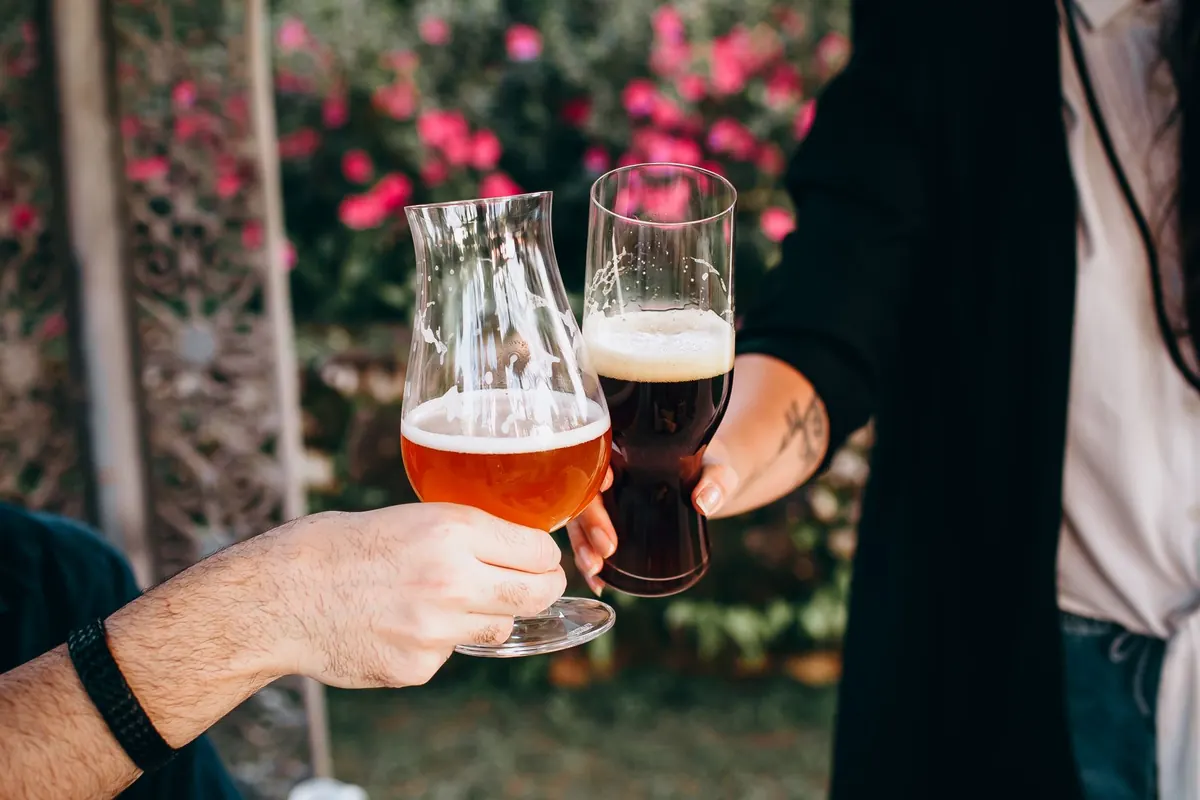
- Stouts, porters, and Belgian ales: 50–55°F. Let them sit out for 15–20 minutes after pouring.
- Barleywines and imperial stouts: 55–60°F. These open up like a good spirit.
Where not to store beer
Above the refrigerator, beside the oven, on a sunny windowsill, in a car trunk, or in an unheated garage that freezes and thaws. That last one catches people every winter. Freezing can push caps loose and shatter bottles, and repeated freeze-thaw cycles are rough on dissolved carbonation and yeast.
Light: The Real Cause of Skunking
"Skunked" is not a metaphor. Ultraviolet and blue light break down the bittering acids from hops into a compound chemically related to the defense spray of a skunk. That is why the aroma is so recognizable and so unpleasant. Brown glass blocks most of the damaging light. Green and clear glass block very little. Cans block all of it.
This means a beer can be ruined on a shelf, not just in your kitchen. A green-bottled beer sitting in a bright cooler under fluorescent lights for a few weeks is already compromised before you pay for it. At home, a few hours of direct sunlight through a window is enough to make a difference in a clear bottle.
Practical fixes:
- Keep bottles in their cardboard carriers or six-pack boxes.
- Store in a closed cupboard, an opaque bin, or a fridge with a solid door rather than glass.
- Never leave a glass growler or clear bottle on a sunny counter or patio table.
- At a picnic or party, keep bottles in a closed cooler rather than a clear ice tub in the sun.
Position, Seals, and Handling
Stand crown-capped bottles and cans upright. Yeast sediment settles at the bottom, and upright storage lets you pour clean beer off it. Lying a capped bottle down does nothing for the seal and only stirs up the yeast when you move it.
Corked bottles are the exception. Store them on their side so the cork stays moist and the seal stays tight, the same way you would treat wine. If a corked bottle has been standing for a while, give it a day upright before opening.
Also: do not shake beer. Every jostle adds a little oxygen contact and rouses sediment. Carry bottles gently, and let a bumped bottle rest before pouring.
What to Cellar and What to Drink Now
Not every beer improves with age. Most do not. The styles that age well tend to be strong, dark, or microbiologically active.
Good candidates for cellaring: imperial stouts, barleywines, Belgian quads and dubbels, lambics and gueuze, strong sours, old ales, and bottle-conditioned saisons. These have the alcohol, residual sweetness, or living yeast needed to evolve rather than merely decline.
Drink these fresh: IPAs, double IPAs, hazy pale ales, pilsners, wheat beers, most lagers, and fruit-forward sours. Hop aroma is the whole point of these beers, and it is the first thing to go. A hoppy beer is at its best within weeks of packaging, and often within days of opening.
The two-bottle rule
When you find a big beer you think might age well, buy two. Drink one now so you know your baseline, and put the other away with a date written on the cap or a piece of tape. In a year, you will actually remember what it tasted like fresh instead of guessing.
The Storage Checklist
- Check dates before you buy. Bottling or canning dates matter far more than best-by codes. Buy from shops that move stock quickly.
- Get it home cold. Bring a cooler for a long drive, especially in summer.
- Store in the dark. Boxes, cupboards, opaque bins, or a solid-door fridge.
- Hold steady. Around 38–45°F for everyday drinking beer, 50–55°F for anything you plan to age.
- Keep bottles upright — except corked bottles, which lie down.
- Avoid the bad spots: above the fridge, near the stove, windowsills, garages with freeze-thaw cycles.
- Drink hoppy beer first. Save the strong, dark, and bottle-conditioned bottles for later.
- Label your cellar. Style, ABV, and the date it went in.
- Handle gently. No shaking, and let bumped bottles settle before pouring.
- Finish open containers. Growlers and crowlers are best within two to three days once opened.
A Simple System That Works
You do not need a temperature-controlled cellar to drink better beer. You need a fridge shelf for the beers you will drink this month, a cool, dark, steady spot for the bottles you want to hold, and a habit of reading dates before you buy. Put a roll of masking tape and a pen near wherever you store things, and write the date on every bottle that goes into the aging pile.
Then open one every few months and taste it. Storage advice is useful, but your own palate is the final judge, and the only way to learn how a beer changes is to drink it twice.
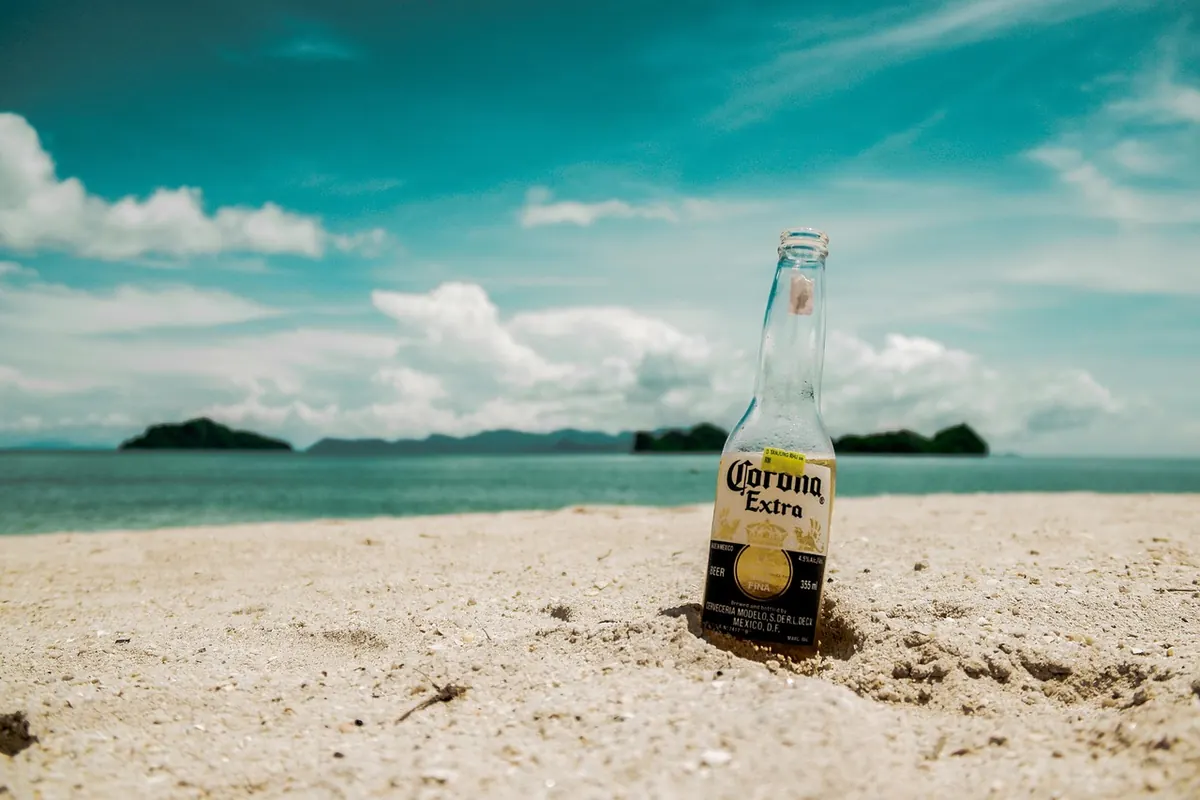
Photo: Pexels / Pixabay